
Description
Two-Tone Hair Color Mechanic
The central feature of Seasonal Makeover Salon is its split hair coloring system. Players divide the character's hair into left and right sections, then apply a different shade from the palette to each side. This approach encourages experimentation with complementary and contrasting color pairs, from soft pastels to vivid brights. The simple act of choosing two colors and seeing them side by side helps build an understanding of color relationships in a playful, low-stakes environment.
Step-by-Step Makeover Flow
Each session follows a clear sequence of care and styling steps. You begin with hair preparation, including washing and drying, then move to trimming and shaping the hair into curls or other forms. After coloring, the focus shifts to makeup application, where you select eyeshadows, lipsticks, and blushes. The final stage involves dressing the character in a complete outfit and adding small accessories. This structured progression keeps the experience accessible while still allowing creative choices at every turn.
Makeup and Wardrobe Options
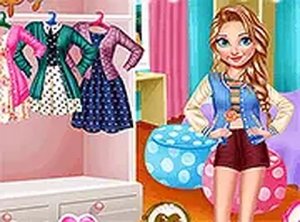
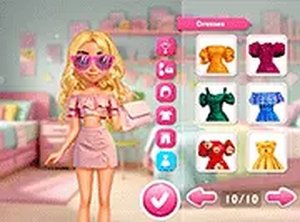
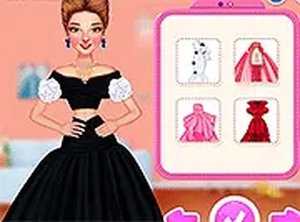
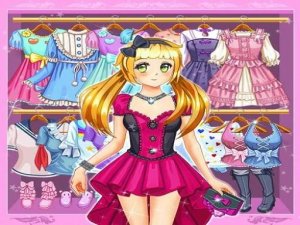
The makeup section offers a range of choices for eyes, lips, and cheeks, letting you coordinate or contrast with the hair colors. The wardrobe includes various tops, bottoms, dresses, and footwear, plus decorative items like hairpins and earrings. Because the game does not impose strict rules, you can freely mix and match to see what combinations look best. This open-ended approach supports both subtle, harmonious looks and bold, eclectic styles.
Safe Space for Creative Play
Seasonal Makeover Salon is designed as a pressure-free zone. There are no timers, scores, or penalties for making unusual choices. If a color pairing or outfit does not work out, you can undo and try something else. This forgiving design makes the game suitable for younger players and anyone who wants to explore fashion without fear of making mistakes. The focus remains on fun and self-expression rather than competition.
Encouraging Color Exploration
By repeatedly working with two hair colors and coordinating makeup and clothing, players naturally develop a sense of what shades work well together. The game does not teach color theory directly, but the hands-on experience of trying different pairings builds practical knowledge. Over time, you may find yourself gravitating toward certain palettes or discovering unexpected combinations that become favorites. This gentle learning through play is one of the game's quiet strengths.








Player Comments
Sign in to comment
You must be logged in before posting a review or rating.
No account? Create one
No comments yet. Be the first to comment!